
Protecting Your Digital Fortress: A Comprehensive Guide to Website Security
But with great opportunity comes great responsibility, especially when it comes to website security.

Understanding the Stakes
Website security is not an option; it’s a necessity. The consequences of neglecting it can be dire. From damaging your brand’s reputation to losing sensitive customer information, the risks are myriad. Therefore, let’s delve into the key aspects of website security and how you can safeguard your digital fortress.
SSL Certificates
Your first line of defense is encryption, and that’s where SSL (Secure Sockets Layer) certificates come in. They create a secure connection between your web server and your users’ browsers. The result? Any data exchanged between the two is encrypted and protected from prying eyes.
Regular Updates
Keeping your website software up-to-date is paramount. Outdated software, including content management systems (e.g., WordPress), plugins, and themes, is a vulnerable point for hackers. Regular updates often include security patches that address known vulnerabilities.
Strong Passwords
Weak passwords are like an open invitation to hackers. Ensure that you and your team use complex, unique passwords for all accounts. Implement two-factor authentication (2FA) whenever possible.
Firewall Protection
Firewalls act as a barrier between your website and potential threats. They filter incoming traffic and block malicious requests. Web Application Firewalls (WAFs) are particularly effective at protecting against common web-based attacks.
Routine Backups
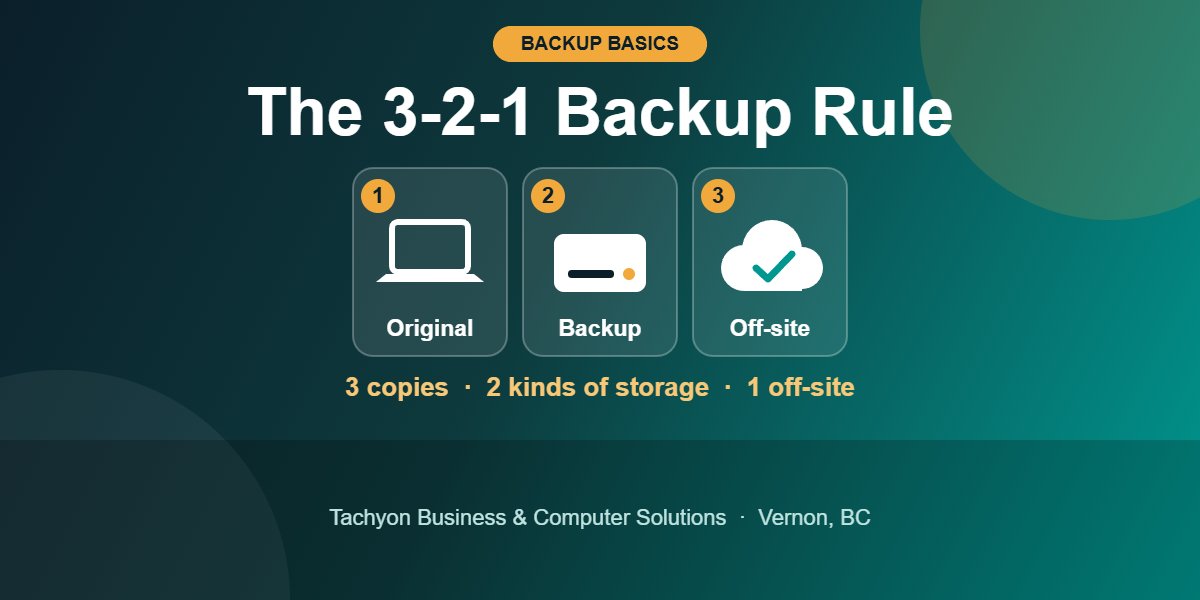
Regularly backing up your website is essential. In the event of a security breach, a recent backup can be a lifesaver. Ensure backups are stored securely, and practice periodic recovery tests to ensure they are functioning correctly.
Access Control
Limit access to your website’s backend. Only grant permissions to those who need them. This reduces the risk of unauthorized personnel making critical changes.
Security Plugins and Tools
Leverage security plugins and tools specifically designed to protect your website. Many CMS platforms offer a variety of security add-ons that can bolster your defenses.
Monitoring and Detection
Implement real-time monitoring and detection systems to alert you to any suspicious activity. Early detection can prevent a minor issue from turning into a major breach.
Educate Your Team
Educate your team about the importance of security practices. Ensure they understand the risks of phishing, social engineering, and how to recognize potential threats.
Prepare for the Worst
Even with the best security measures, breaches can occur. Have an incident response plan in place, detailing how to react, notify affected parties, and recover from an attack.
Need local IT support or cybersecurity help in Vernon BC? See how Tachyon can help →
Need a local team to handle your website security?
Tachyon handles the security side of your website so you can focus on running your business. Our Website Maintenance and Security Plans include ongoing monitoring, updates, and backups for Vernon BC businesses. We also build secure WordPress websites from the ground up. Get a free quote