
Cybersecurity Trends to Watch
As technology evolves, so do the tactics and threats employed by cyber criminals.
Staying ahead of the curve is essential to protect sensitive data and maintain trust in digital systems.

Here are some cybersecurity trends to watch in the coming years:
Ransomware Attacks
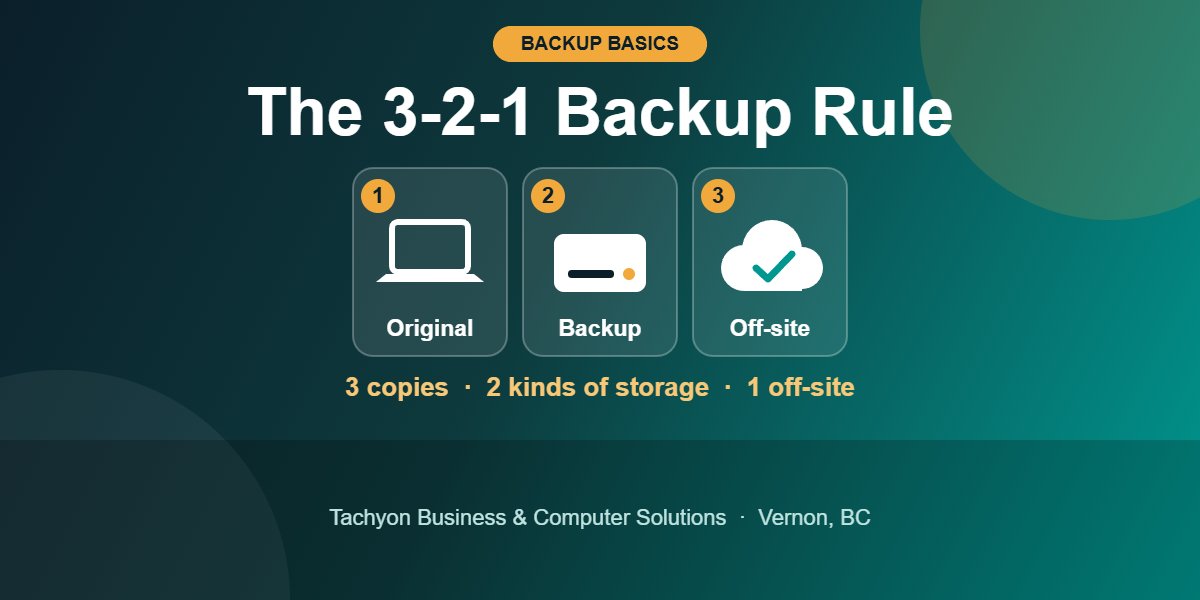
Ransomware attacks continue to be a significant threat. Cybercriminals encrypt a victim’s data and demand a ransom for its release. What’s concerning is the increasing sophistication of these attacks, with some groups targeting critical infrastructure and demanding substantial ransoms. Organizations need robust backup solutions, employee training, and advanced threat detection to combat this trend.
Zero Trust Architecture
Traditional security models rely on the concept of a trusted internal network. However, the Zero Trust model assumes that threats may exist both inside and outside the network. It emphasizes strict access controls, continuous monitoring, and verifying identity before granting access. This approach is gaining traction as organizations recognize the need for more stringent security.
Cloud Security
The adoption of cloud services and infrastructure has grown significantly. Cloud security is a top priority, with businesses focusing on securing data stored in the cloud and ensuring the security of cloud-based applications and services. Multi-cloud and hybrid cloud environments present unique challenges that require specialized security solutions.
AI and Machine Learning in Cybersecurity
AI and machine learning are being used both by cybersecurity professionals and malicious actors. AI-powered tools can help organizations identify and respond to threats more efficiently, but cybercriminals are also using AI to automate attacks and evade detection. The battle between AI-driven security and AI-driven attacks will continue to escalate.
IoT Security
The Internet of Things (IoT) is expanding rapidly, with billions of devices connected to the internet. Many of these devices lack adequate security measures, making them vulnerable to exploitation. Securing IoT devices and networks is crucial to prevent them from becoming entry points for cyberattacks.
Biometric Authentication
Passwords are often a weak link in cybersecurity. Biometric authentication methods, such as fingerprint recognition and facial recognition, offer more secure alternatives. As these technologies become more prevalent, their vulnerabilities and privacy concerns will also be closely examined.
Quantum Computing Threats and Solutions
The advent of quantum computing poses a significant threat to traditional encryption algorithms. Quantum computers have the potential to break many current encryption methods. As a result, researchers are working on quantum-resistant encryption techniques to prepare for the post-quantum era.
Supply Chain Attacks
Cybercriminals are increasingly targeting the supply chain to infiltrate organizations indirectly. By compromising suppliers or service providers, attackers can gain access to their target’s network. Organizations are becoming more vigilant about assessing the security of their supply chain partners.
Regulatory Compliance
Governments worldwide are enacting stricter data protection and privacy regulations, such as GDPR in Europe and CCPA in California. Compliance with these regulations is crucial, as non-compliance can result in hefty fines. Staying updated on evolving regulations and ensuring compliance is essential.
In Canada, data protection and privacy regulations are primarily governed by the Personal Information Protection and Electronic Documents Act (PIPEDA). PIPEDA sets out rules and principles for the collection, use, and disclosure of personal information by private-sector organizations engaged in commercial activities.
Cybersecurity Workforce Shortage
There is a growing shortage of skilled cybersecurity professionals. Organizations are actively investing in training and education to build a strong cybersecurity workforce. Automation and AI tools are also being used to fill gaps in security personnel.
Need local IT support or cybersecurity help in Vernon BC? See how Tachyon can help →
Stay ahead of cybersecurity threats in the Okanagan
Tachyon's Maintenance and Security Plans keep your website and data protected against the latest threats — so you don't have to monitor it yourself. Serving Vernon BC and surrounding areas. Get your free quote today